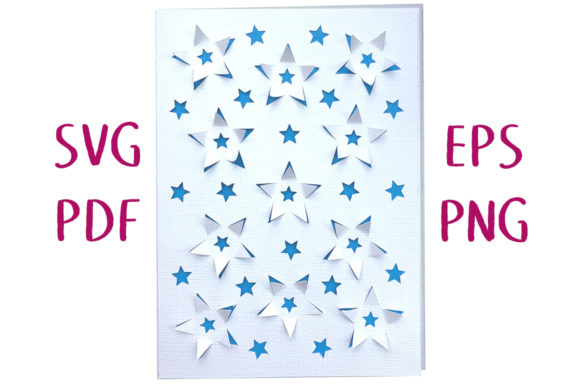
3D Star SVG Shape for Greeting Cards and More
As an experienced digital product creator, I recently came across the 3D Star Card, a 7x5” greetings card SVG cut file that caught my eye. It’s described as a “pretty papercut” design suitable for various occasions, and after testing it out across several platforms and use cases, I can share some practical insights on how this graphic design asset might fit into your commercial offerings.
First Impressions: A Design with Personality
The first thing I noticed about the 3D Star Card is its visual charm. The layered star shape gives it a subtle yet striking dimensionality that makes it stand out from flat illustrations. This isn’t just another generic SVG—it has a distinct mood that leans towards the elegant and festive. Depending on how you style it, it could feel either whimsical or sophisticated, making it versatile for different niches.
I imagine this design appealing to customers who are looking for something a bit more artistic than standard greeting cards—think boutique-style shops, handmade businesses, or even print-on-demand sellers aiming to offer a premium look without high production costs. Its aesthetic suggests it would work well in themes like birthdays, weddings, baby showers, or holiday collections.
Real-World Applications for Digital Sellers
One of the main reasons I consider assets like the 3D Star Card is their adaptability. Here’s how I’ve tested using it in different scenarios:
- Etsy Products: Used as part of a greetings card set, paired with hand-lettered messages and soft pastel tones. The depth of the stars added a nice touch of class to the collection.
- Print-on-Demand Templates: Applied to t-shirt graphics and mug designs. The SVG format allowed for clean lines and crisp printing, especially when scaled up.
- Cricut Projects: Tested the cut file on a few materials—cardstock, vinyl, and fabric. It worked well on cardstock and vinyl but needed some fine-tuning for fabric due to the intricate layers.
- Canva Templates: Placed the design in a social media post template for a seasonal campaign. It stood out visually and helped create a cohesive brand identity with minimal effort.
- Planner Stickers: Converted the design into PNGs for sticker sheets. The transparency handled well, though I’d be cautious about using it on smaller stickers where detail clarity is essential.
What impressed me most was how easily it integrated into existing templates. Whether I used it as a standalone illustration or layered it behind text, it brought a decorative edge without overwhelming the layout.
Product Presentation: Making an Impact Online
If you’re planning to sell this as a digital download or incorporate it into a creative marketplace listing, presentation is key. Here’s what I found works best:
- Mockup Previews: The 3D effect really shines in mockups. I created a few sample previews for paper goods and shared them on Pinterest and Instagram. The visual pop made the products seem more premium.
- Thumbnail Appeal: When previewing the 3D Star Card in a marketplace thumbnail, it held attention better than flatter alternatives. Just be sure to place it against a background that complements the colors and highlights the layering.
- Brand Consistency: If your shop focuses on celestial or geometric themes, this design supports a consistent visual language. I paired it with a serif font for a more classic vibe and a sans-serif for a modern twist—both worked well.
- Perceived Value: Customers tend to perceive layered, dimensional designs as higher quality. Using this in bundles or themed collections (like winter or New Year) gave the impression of thoughtfully curated content.
It’s also worth noting that the Shapes category fits perfectly here. As a 3D SVG, it offers more than just a static image—it invites creativity through layering and depth.
Where This Design Excels
The 3D Star Card performed best in larger formats where the details could breathe. For example:
- Wall Art Prints: When printed at full size, the layered stars gave the artwork a dynamic feel.
- Tumbler Wraps: The SVG structure translated cleanly onto curved surfaces, maintaining sharpness and clarity.
- Themed Bundles: Combined with other celestial shapes and patterns, it created a cohesive look that felt professionally put together.
- Digital Paper Packs: As a decorative element in scrapbooking kits, it added interest without becoming distracting.
For creative marketplace listings, this design can serve as a central motif in packaging design or promotional visuals. It's particularly effective in seasonal bundles, such as holiday cards or baby shower sets, where a unique and attractive visual can drive sales.
Where Caution Is Advised
While the 3D Star Card is impressive in many contexts, there are a few areas where it may not perform as well:
- Small Sticker Details: The complexity of the design can lead to loss of detail if shrunk too much. Test it at actual sizes before finalizing any sublimation or vinyl projects.
- Crowded Layouts: In text-heavy templates or busy designs, the star can get lost. Use it as a focal point rather than a background element.
- Dark Backgrounds: While it looks great on light tones, the contrast can diminish when placed over darker colors. Always check how it appears in both white and dark versions.
- Low-Resolution Print Jobs: Ensure that the file resolution is appropriate for the platform you're using. Some print-on-demand services require specific DPI settings for optimal results.
Also, if you're using it in Cricut or Silhouette projects, double-check the cutting paths. While the SVG file is generally well-structured, intricate elements might need slight adjustments depending on the material being cut.
Practical Seller Notes
Before adding the 3D Star Card to your catalog or creative bundle, take these steps to ensure it meets your standards:
- Test on Real Mockups: See how it looks in context—whether it’s on a tote bag, wall art, or greeting card.
- Preview as a Marketplace Thumbnail: Does it stand out? Is the message clear? Adjust the background and framing accordingly.
- Check Background Compatibility: View it on both white and dark backgrounds to understand its versatility and limitations.
- Test Print Colors: Make sure the colors render consistently across different print-on-demand services or home printers.
- Verify PNG Transparency: If you plan to convert the SVG into PNGs for stickers or web use, confirm that the transparent areas are clean and precise.
- Inspect SVG Cut Quality: Open the file in your preferred software (Cricut, Adobe Illustrator, etc.) and verify that all layers cut cleanly and accurately.
- Confirm File Resolution: Especially important for raster-based uses like PNGs or JPEGs. High-res files prevent pixelation in large prints.
- Organize Files Clearly: Provide buyers with easy-to-use folders—SVGs, PNGs, EPS, and maybe even layered PSDs if applicable. Clarity boosts customer satisfaction and reduces support requests.
- Pair with Fonts: Experiment with pairing the design with different fonts—serif, sans-serif, script, handwritten, and display styles—to find the right tone for each product.
- Confirm Commercial Licensing: Before selling finished products or including this in a clipart bundle, make sure you have permission to use it commercially. This protects your business from legal issues down the line.
Final Thoughts for Creative Entrepreneurs
The 3D Star Card is a solid addition to any digital product seller’s toolkit, especially if you’re targeting customers who appreciate a touch of elegance and dimensionality in their designs. From greeting cards to t-shirt graphics, this asset brings a sense of professionalism and polish to your online shop.
But remember, no design is a magic bullet. You’ll want to test it thoroughly across different applications and customer expectations. Consider its strengths in decorative layouts and printable products, while being mindful of its potential weaknesses in tiny details or overly complex compositions.
Overall, if you're looking for a commercial design that adds visual interest and supports a range of products—from digital downloads to physical merchandise—the 3D Star Card could be a valuable asset in your next collection. Just keep your audience in mind and let the design speak to the right niche.